
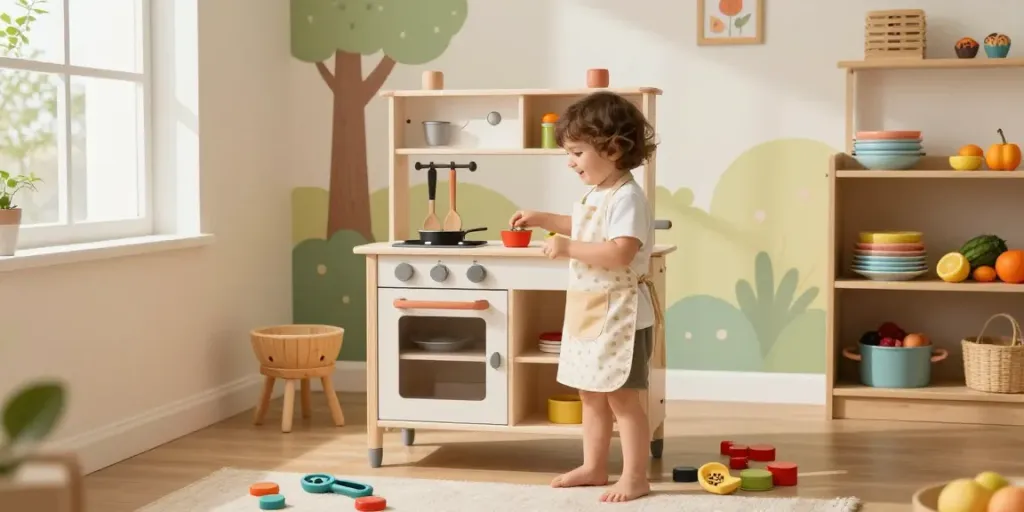
Understanding the Benefits of Wooden Kitchens
Wooden kitchens have gained significant popularity among parents and caregivers as they provide an enchanting environment for children to engage in imaginative play. These beautifully crafted playsets not only stimulate creativity but also serve as educational tools that support various developmental milestones. The charm of a wooden kitchen lies in its ability to create a safe space where children can mimic real-life cooking and household activities, thereby enhancing their role-playing experiences.
Why Choose a Wooden Kitchen for Play?
Wooden kitchens offer a plethora of advantages compared to their plastic counterparts. For one, they exude an aesthetic appeal that plastic models often lack. The natural grain and finish of wood can make the play experience feel more authentic and tactile. Moreover, wooden kitchens are typically sturdier, able to withstand the wear and tear that often accompanies children's play. This durability translates into a greater return on investment, as these products can be passed down through generations.
Durability and Safety Factors in Wooden Kitchen Sets
Durability is a significant factor that sets wooden kitchens apart. Crafted from solid wood or high-quality MDF (medium-density fibreboard), these sets are designed to endure years of enthusiastic use. Safety is also paramount; many wooden kitchens come with rounded edges and non-toxic finishes to ensure that children can play without the risk of injuries. Parents should always check for age recommendations and certifications to ensure optimal safety.
Environmental Impact of Wooden Toys
In an era where sustainability is crucial, wooden kitchens present a more eco-friendly alternative to plastic toys. Sourced from renewable materials, wooden toys generally have a lower carbon footprint than their synthetic counterparts. Moreover, many companies are committed to responsible sourcing and sustainable production practices, meaning you can feel good about the environmental impact of your purchase.
Common Risks of Wooden Kitchens
Potential Hazards: Sharp Edges and Small Parts
While wooden kitchens offer many benefits, they are not without their risks. Some models may have sharp edges or small parts that could pose choking hazards for younger children. It’s essential for parents to closely supervise playtime and select kitchen sets that are age-appropriate to mitigate these risks.
Environmental Concerns: Sourcing and Sustainability
Despite their eco-friendly image, concerns about sourcing practices must be considered. Some wooden toys may be made from endangered species or unsustainable practices. Opting for certified brands that adhere to environmentally responsible sourcing can alleviate these concerns. Always look for certifications such as FSC (Forest Stewardship Council) that indicate sustainable sourcing.
Maintenance Challenges with Wooden Kitchen Sets
Wooden kitchens require regular maintenance to keep them looking their best. Unlike plastic, wood can absorb moisture and may warp or crack if not cared for properly. Parents should be prepared to regularly clean the surfaces and treat the wood with appropriate oils or finishes to prolong its lifespan.
Selecting the Right Wooden Kitchen for Your Child
Key Features to Look for in Wooden Kitchens
When selecting a wooden kitchen, consider features like size, accessories, and the type of wood used. Bigger kitchens may offer more play options, while smaller ones can fit comfortably in compact spaces. Some sets come with additional features like interactive elements, which can enhance play without overwhelming your child.
Age Appropriateness and Skill Development
Choosing a kitchen that matches your child's age is critical for their development. Younger children will benefit more from simpler designs that focus on imaginative play, while older children may enjoy more complex setups with interactive elements. Look for kitchens that promote skill-building activities such as counting, cooking methods, and even basic cleaning tasks.
Budgeting for Quality Wooden Kitchen Sets
Wooden kitchens vary widely in price, so it's essential to set a budget before shopping. While some affordable options exist, investing in a higher quality set can pay off in the long run. Assess the materials, craftsmanship, and features to find the right balance between quality and price.
Best Practices for Using Wooden Kitchens Safely
Supervision and Safe Play Guidelines
Supervision is key when children are playing with wooden kitchens. It is advisable to establish rules to prevent misuse or rough handling. Encourage children to tidy up after play sessions and to handle kitchen accessories with care to reduce the likelihood of accidents.
Regular Maintenance and Care Tips
Maintaining a wooden kitchen is simple, but it does require some effort. Regular inspections for loose parts and a quick clean with a damp cloth will help maintain the kitchen's integrity. Parents should also avoid exposing the kitchen to excessive moisture and direct sunlight to prevent damage.
Creative Play Ideas to Maximise Engagement
To keep playtime exciting, consider introducing themed cooking days or pretend dinner parties. Invite friends or family members to join, allowing children to role-play as chefs and servers. Such imaginative play not only enhances creativity but also teaches valuable social skills.
Future Trends in Wooden Kitchen Designs
Innovative Features to Expect in 2026
As children's play evolves, so too will wooden kitchens. Expect to see more integrations of multifunctional designs that allow for various cooking styles—from baking to grilling. Interactive features, such as sound effects or lights, may also become commonplace, enriching the play experience.
Integration with Digital Play Experiences
Another exciting trend is the integration of digital technology into wooden kitchens. Some brands may incorporate apps or e-books that provide recipes and cooking techniques, merging the digital and physical play worlds. This could lead to engaging, educational experiences that align with modern learning objectives.
Community Recommendations and Popular Choices
Choosing the right wooden kitchen can sometimes be daunting given the array of options available. Community recommendations often highlight brands known for quality and safety. Options such as Le Toy Van, KidKraft, and Melissa & Doug have garnered a reputation for excellence in the world of wooden kitchens.
How to Choose the Right Set for Your Home?
Consider your space and the children's preferences when choosing a set. Measure the area where the kitchen will be placed to ensure a good fit. Additionally, involve the children in the selection process to enhance their enthusiasm for playtime.
What maintenance is required for wooden kitchens?
Maintenance can include regular cleaning, checking for stability, and applying wood preservatives to prevent wear. Awareness of environmental conditions can also help maintain the kitchen’s integrity over time.
Are wooden kitchens safe for toddlers?
When designed with safety in mind, wooden kitchens can be very safe for toddlers. Parents should ensure that the kitchen meets safety standards and does not contain any small parts that could pose choking hazards.
What are the benefits of eco-friendly toys?
Eco-friendly toys, including wooden kitchens, are made from sustainable materials and have less negative impact on the environment. They generally lack harmful chemicals and contribute to healthier play environments for children.
How can I enhance my child's play kitchen experience?
Incorporate role-play elements by adding accessories like pretend food, cooking utensils, and even themed costumes. Creating a dedicated play area can also enhance their imaginative experiences.
Are there specific brands known for quality wooden kitchens?
Yes, brands like Hape, Le Toy Van, and Melissa & Doug are renowned for their quality and safety standards, making them popular choices for parents seeking durable and engaging wooden kitchens.